

I bought a travel book a couple of years ago from Books & Beans, the used bookstore in Little Switzerland, NC. We hike a lot in our NC mountains, and whenever we’re in that area, we take the opportunity to stop by and pick up a book or two from their local section. Whether it’s legends from Appalachia, mountain ghost stories, local history, or guides to Western NC hikes, we always come away from that store with a great find.
This particular book was a 1990 edition of Touring the Western North Carolina Backroads by Carolyn Sakowski. It sat on my bookshelf at home for a really long time before I found it again last week while dusting the shelves. (We won’t talk about how long those shelves go between dustings.)

In our efforts to unplug ourselves from our phones and get outside to explore more often this year, we decided to work our way through the twenty-one NC backroad tours in the book. Last week, we chose a map from the book to follow, reading the interesting and unusual history the author provided along the way.
I know this is my author blog, and I usually write about my books, events, or the writing process, but disconnecting from the computer to be in the natural world around us is just as important to our creativity and mental health as setting goals and creating art. Perhaps even more so.
Plus, I really want to share these little snippets of our beautiful mountains here in North Carolina with all of you. I promise not to give you complete history lessons on all the landmarks we come across or list every single road name on the route. If you are interested, I highly recommend Sakowski’s book.
So here goes- our first Western NC backroads tour:
The Globe Tour
We started in Blowing Rock, where we’ve both been a million times. On this occasion, however, we parked the car on Main Street and walked around an old church that we’d never given much attention. The author pointed out St. Mary’s of the Hills Episcopal Church as the first place of interest, so we figured we’d better have a closer look.
Parking in downtown Blowing Rock was a whole adventure in itself. We considered squeezing our car into the apartment parking lot across the street because we were only going to be there long enough to snap pictures, but ultimately our rule-following selves just couldn’t do it. So, we found parallel parking down the street and hoofed it to the church.
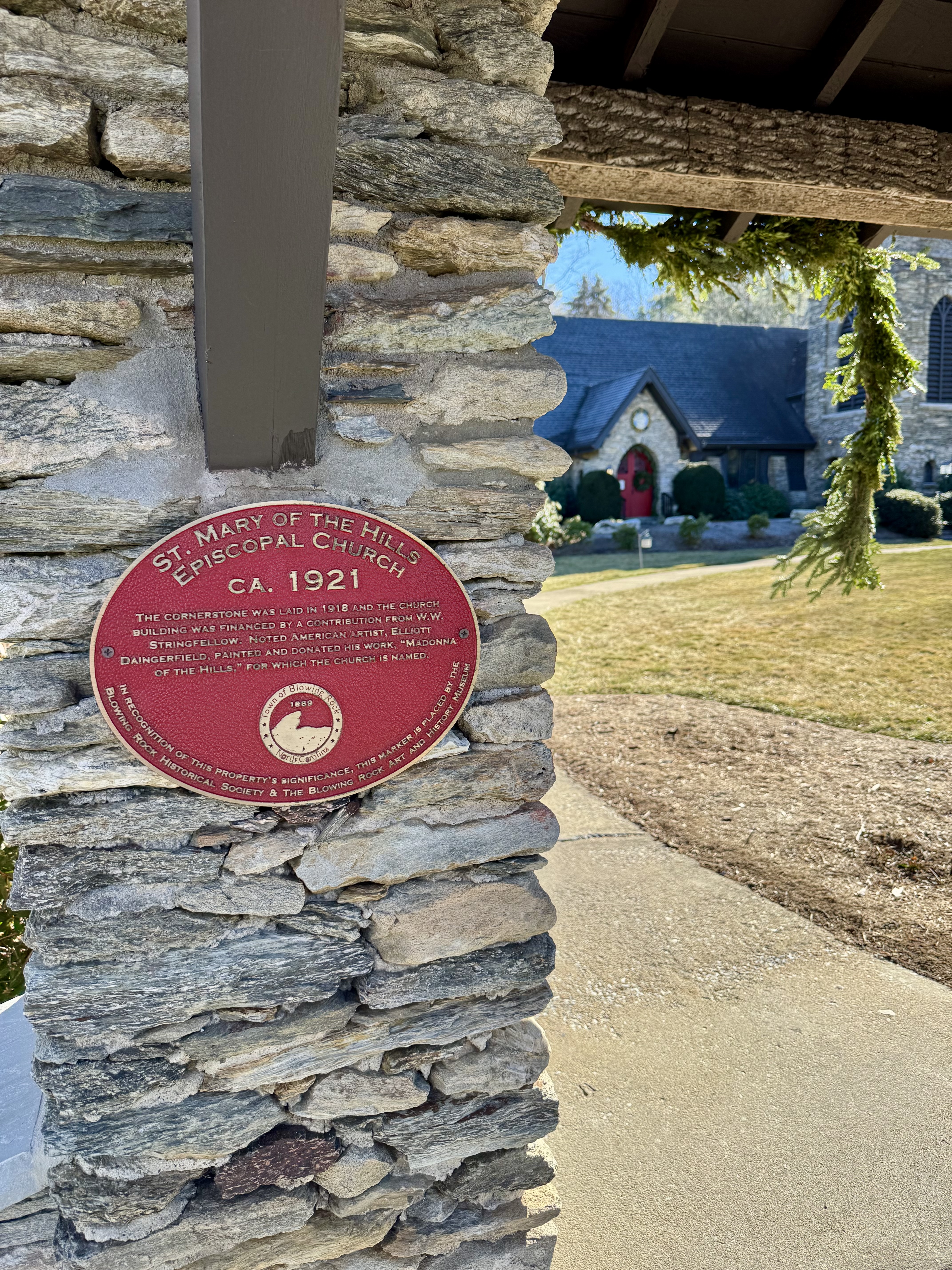
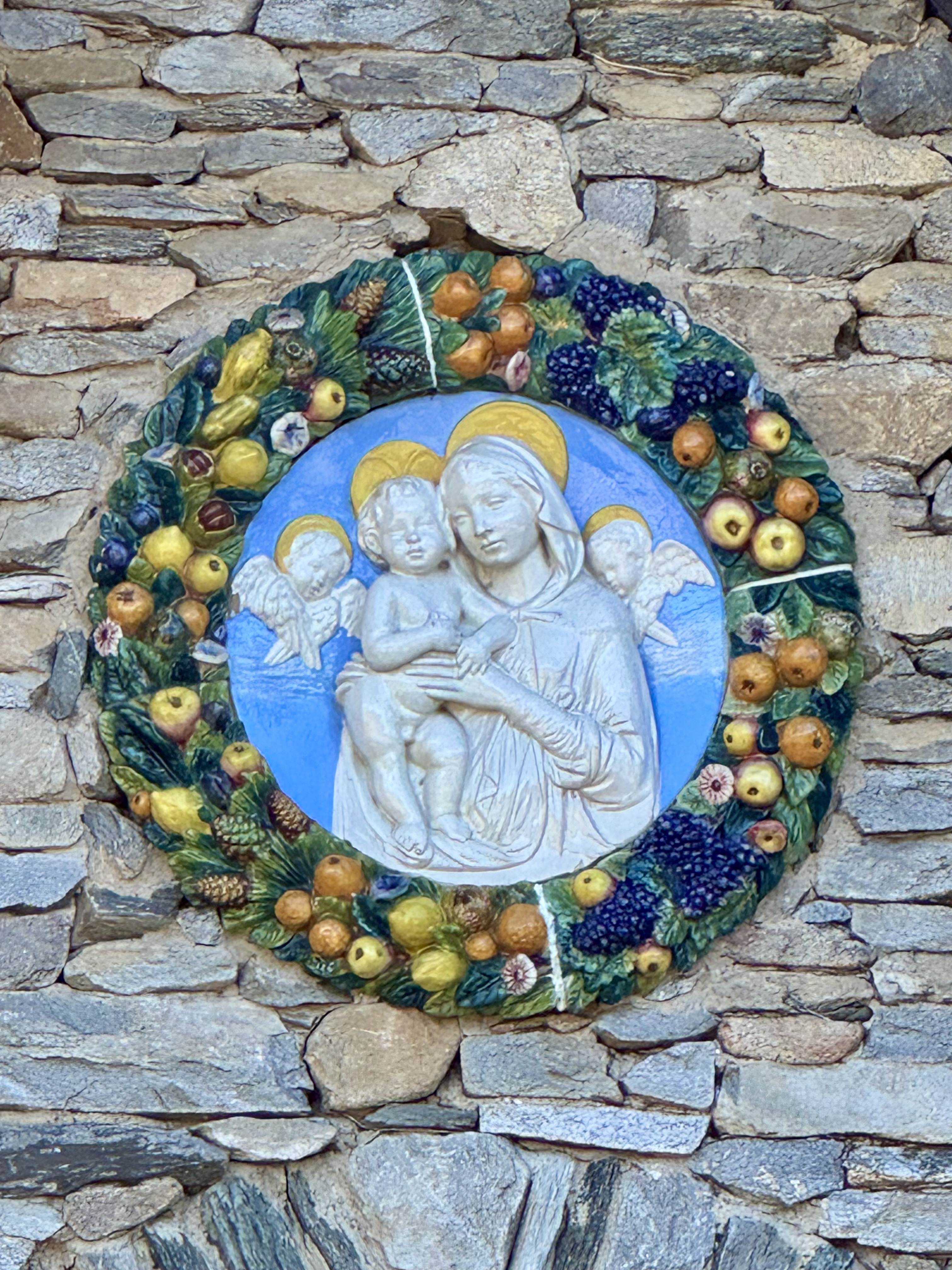

It was a Sunday, and the sounds of the congregation singing a hymn traveled out into the church yard where we we running around like kids playing hooky from the service. After marveling over the building’s beauty and taking our pictures, we headed back to the car and on to our next stop.
We would be descending into the neighboring valley, locally named the Globe. To get there, we’d leave pavement behind and roll down the first dirt road of our trip.

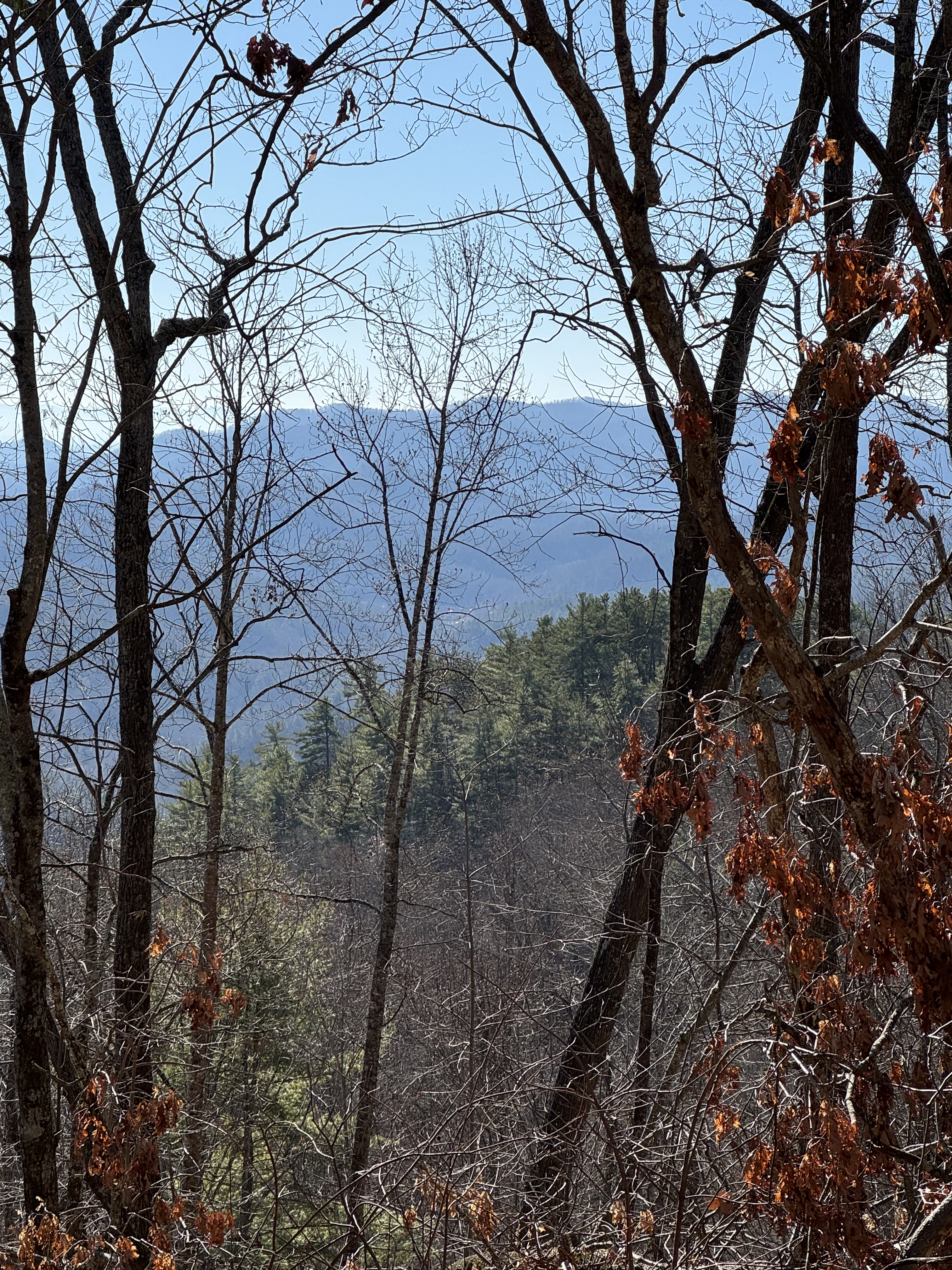
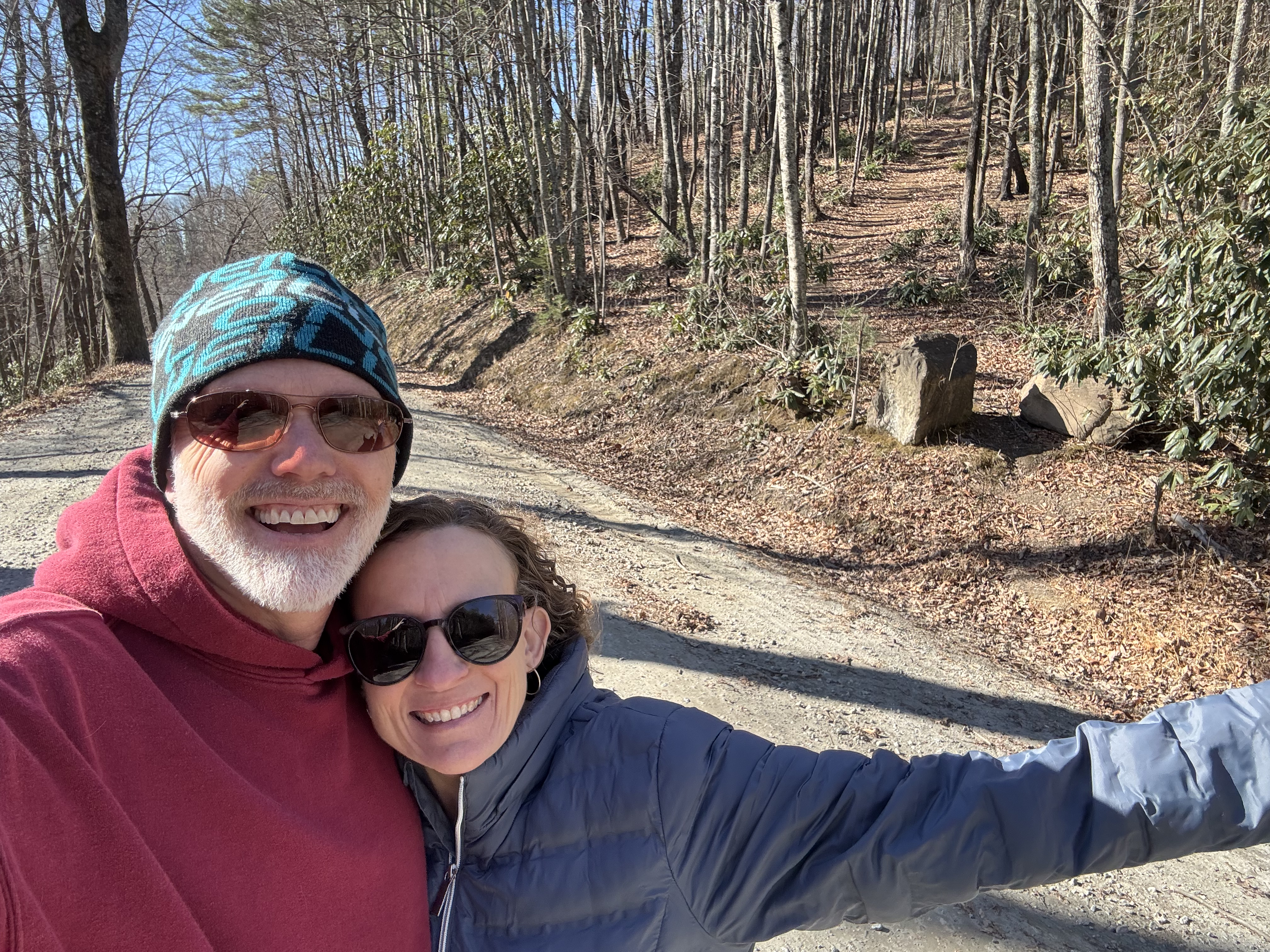
We stopped on the side of this long, winding road and ate our lunches while enjoying the mountain view. An unmarked trail beckoned us from nearby, so as soon as we were done eating, we laced up our hiking shoes. The path climbed straight up before leveling off shortly after. It went nowhere, but it was a nice little walk in the woods.
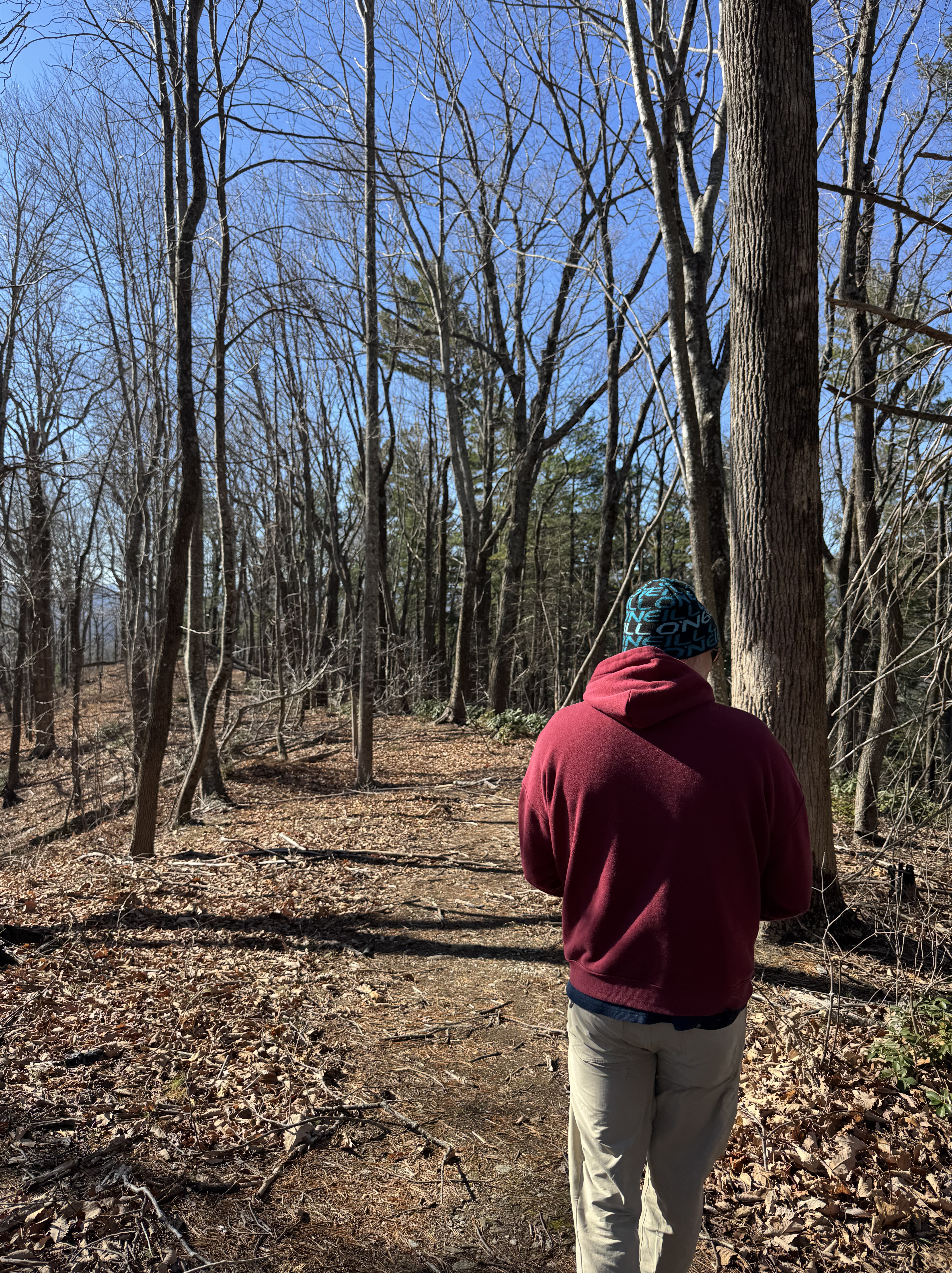
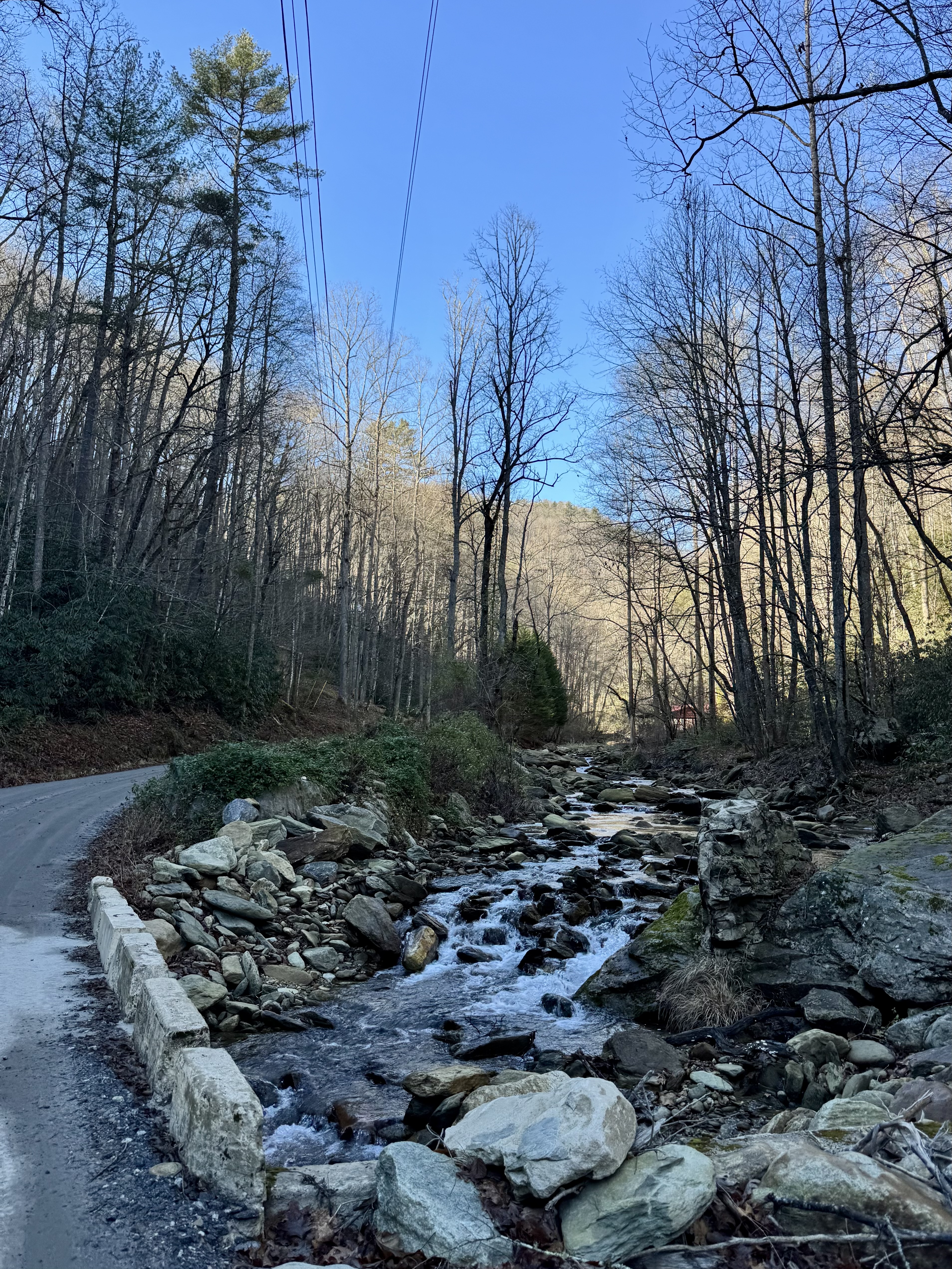
The next stop on our trip was a church next to a river in the bottom of the valley. Johns River Missionary Baptist Church was built in 1892. The author said there used to be several mills and a thriving community in that area, but floods washed it all away a long time ago.
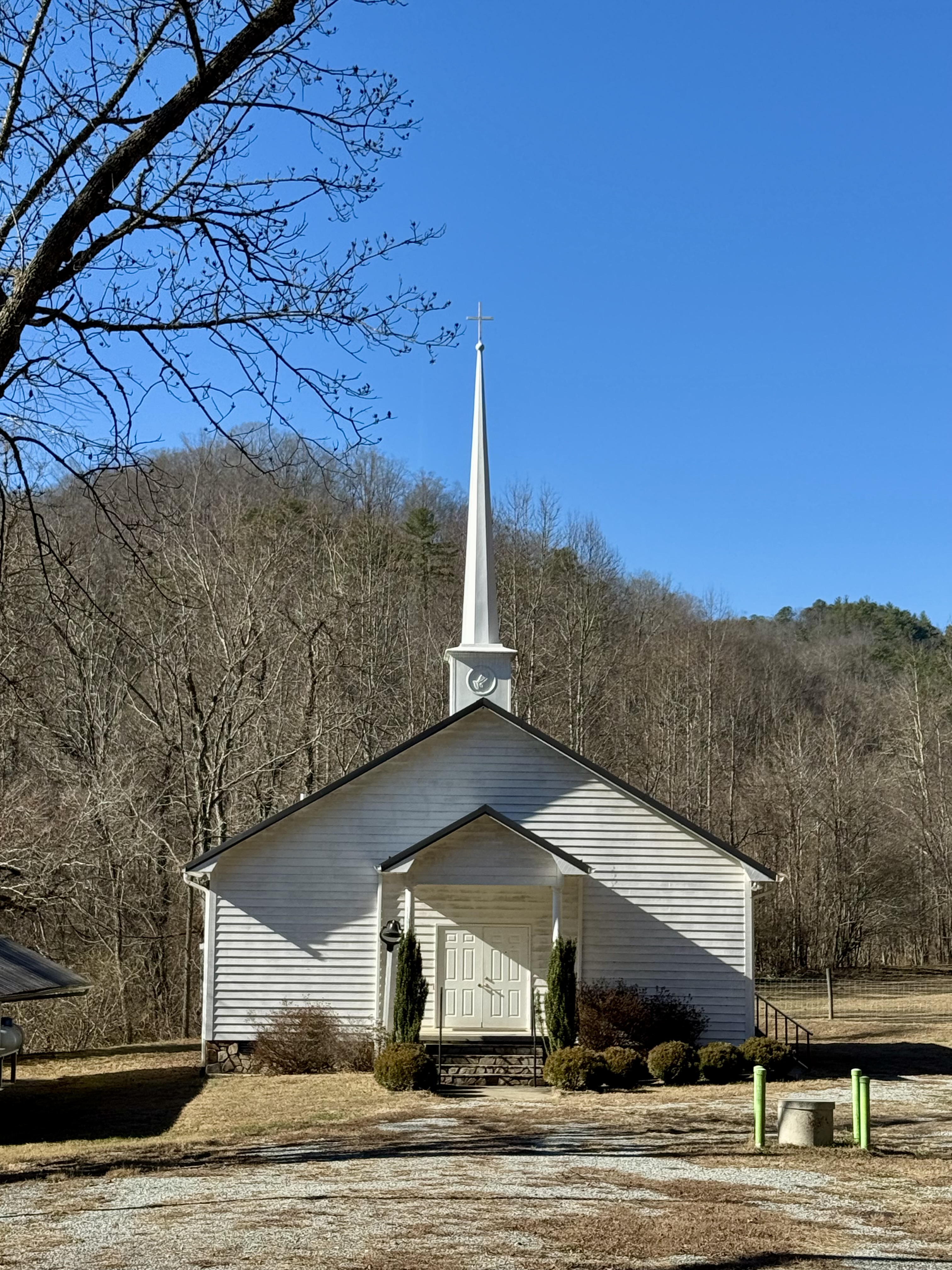
The Globe Baptist Church was our next landmark. It was founded in 1797. The area around it was also a bustling community, complete with a school named the Globe Academy. Sadly, everything washed away during the long ago floods in this place, too.
It’s interesting to me that all the mills, homes, and schools washed away, but the churches remained. The dirt roads linking these churches are flanked now by homes and tree farms.
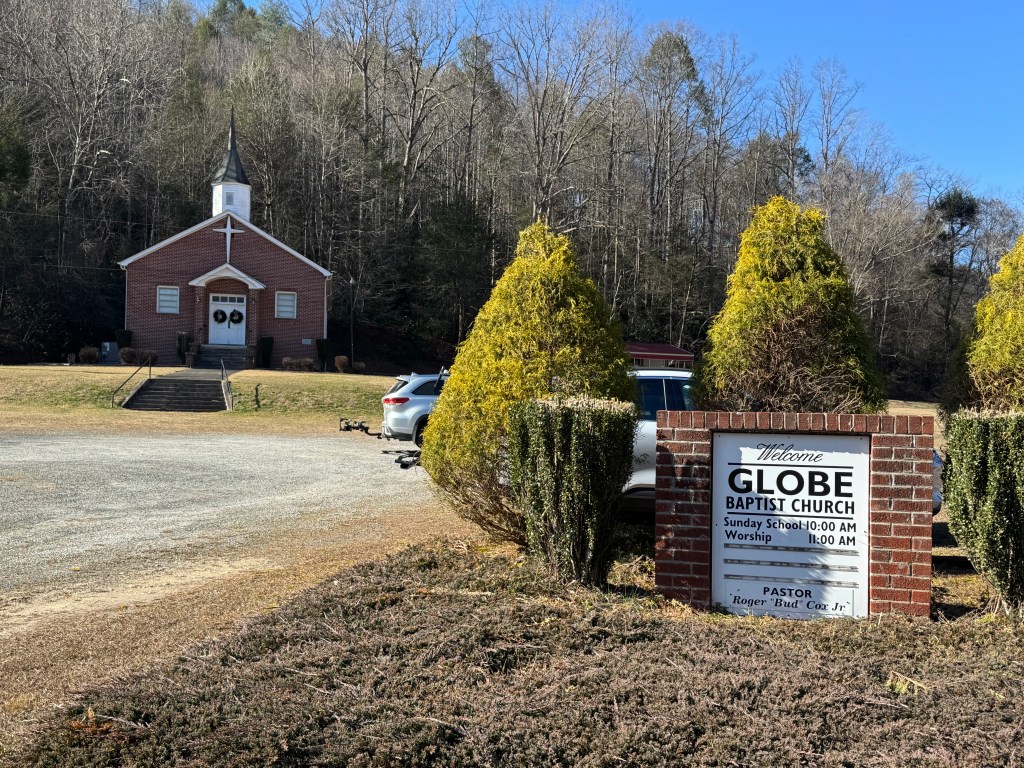
The Globe Church’s parking lot is a popular spot for mountain bikers apparently. Several cars were there with empty bike racks. Two adventure bikers were also there taking a break from their ride. In case you didn’t know, adventure bikes are motorcycles that can travel these dirt roads, and now my husband really wants one.
We continued on our tour to a location pictured in Sakowski’s book. From here, you could spot Grandfather Mountain and the Linn Cove Viaduct in the distance. This large rock formation in the clearing was completely empty of graffiti in her 1990 photograph. I’ll never understand why people feel the need to bring a can of spray paint to make their mark in nature. This particular rock is now listed in Google Maps as “Graffiti Rockside” and called a historical landmark.
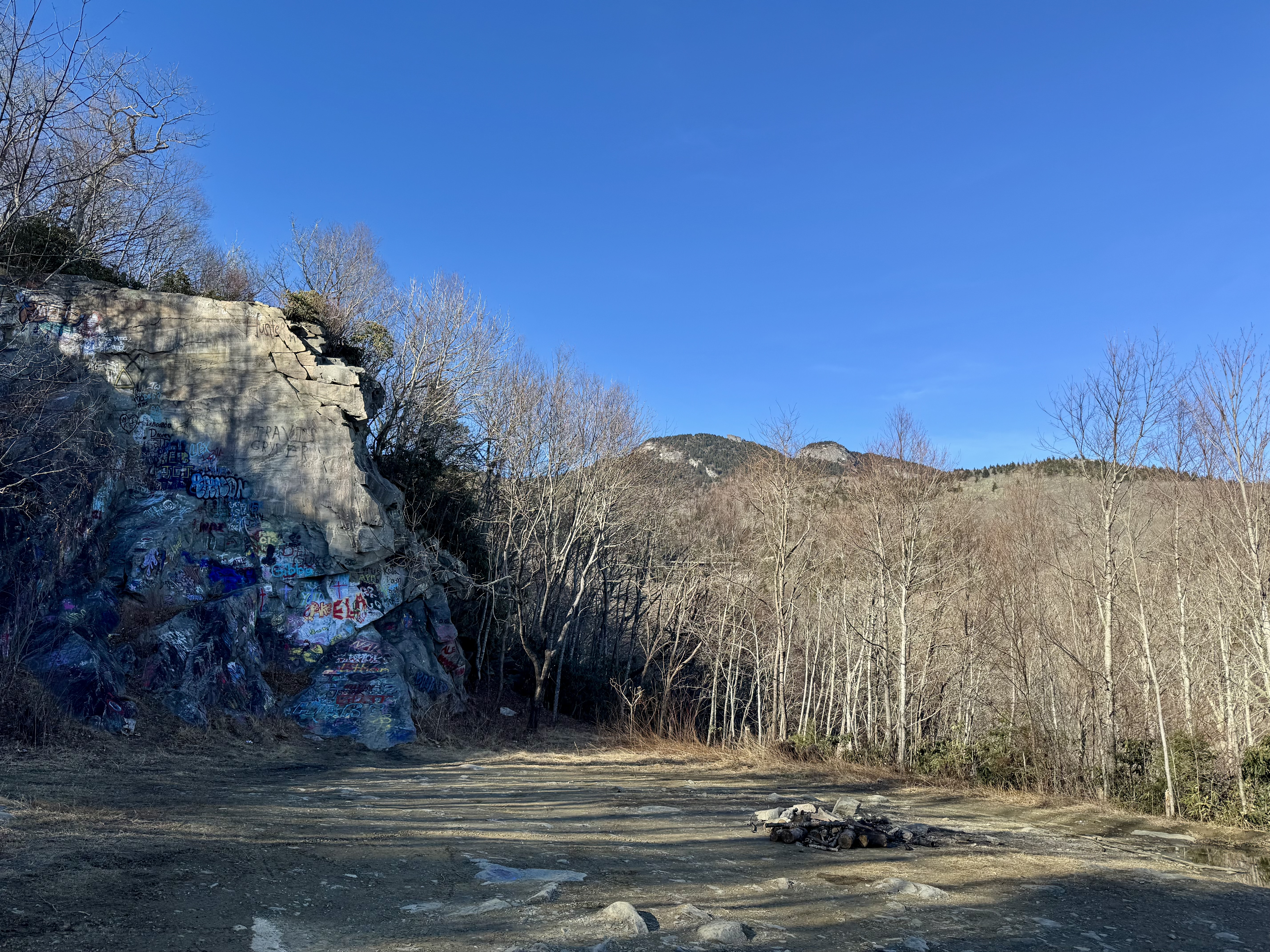
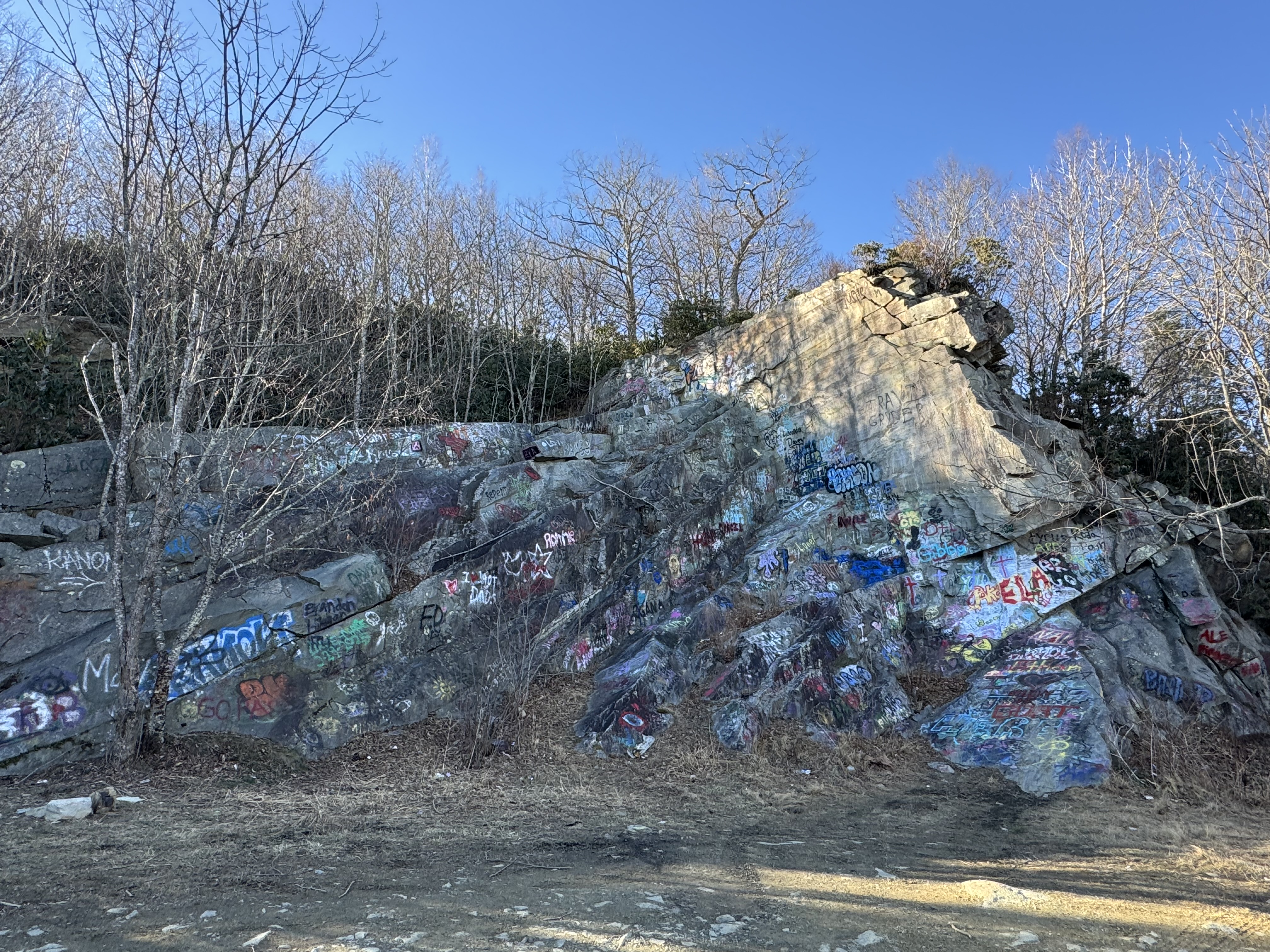
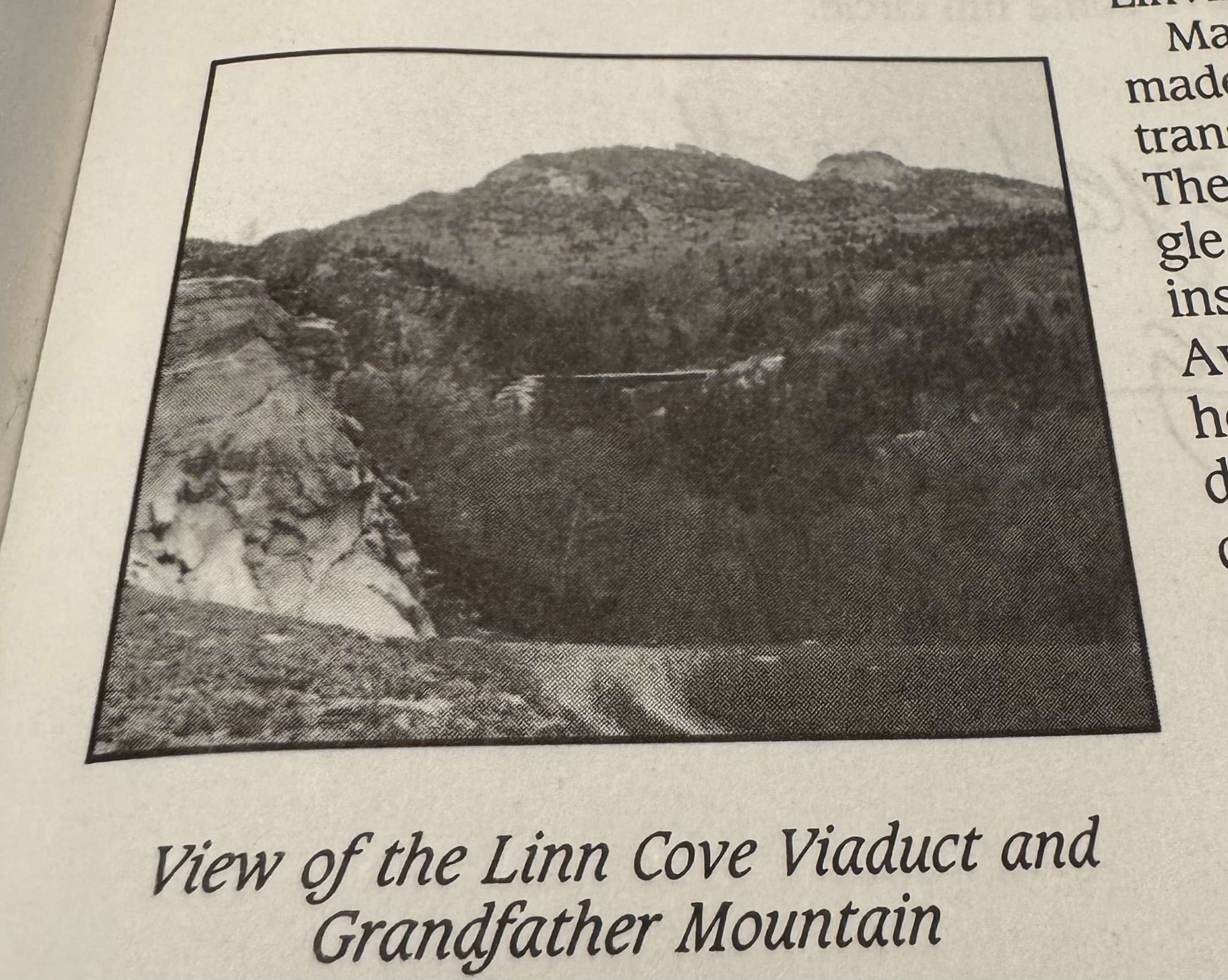
As we made our way out of the valley and back to Blowing Rock, we passed a historic home the author mentioned in her book. Elliott Daingerfield had the four columns on his porch imported here from Italy, and his home was completed in 1917 for $20,000.
Now the house is a spa, and there’s a historical marker in front.

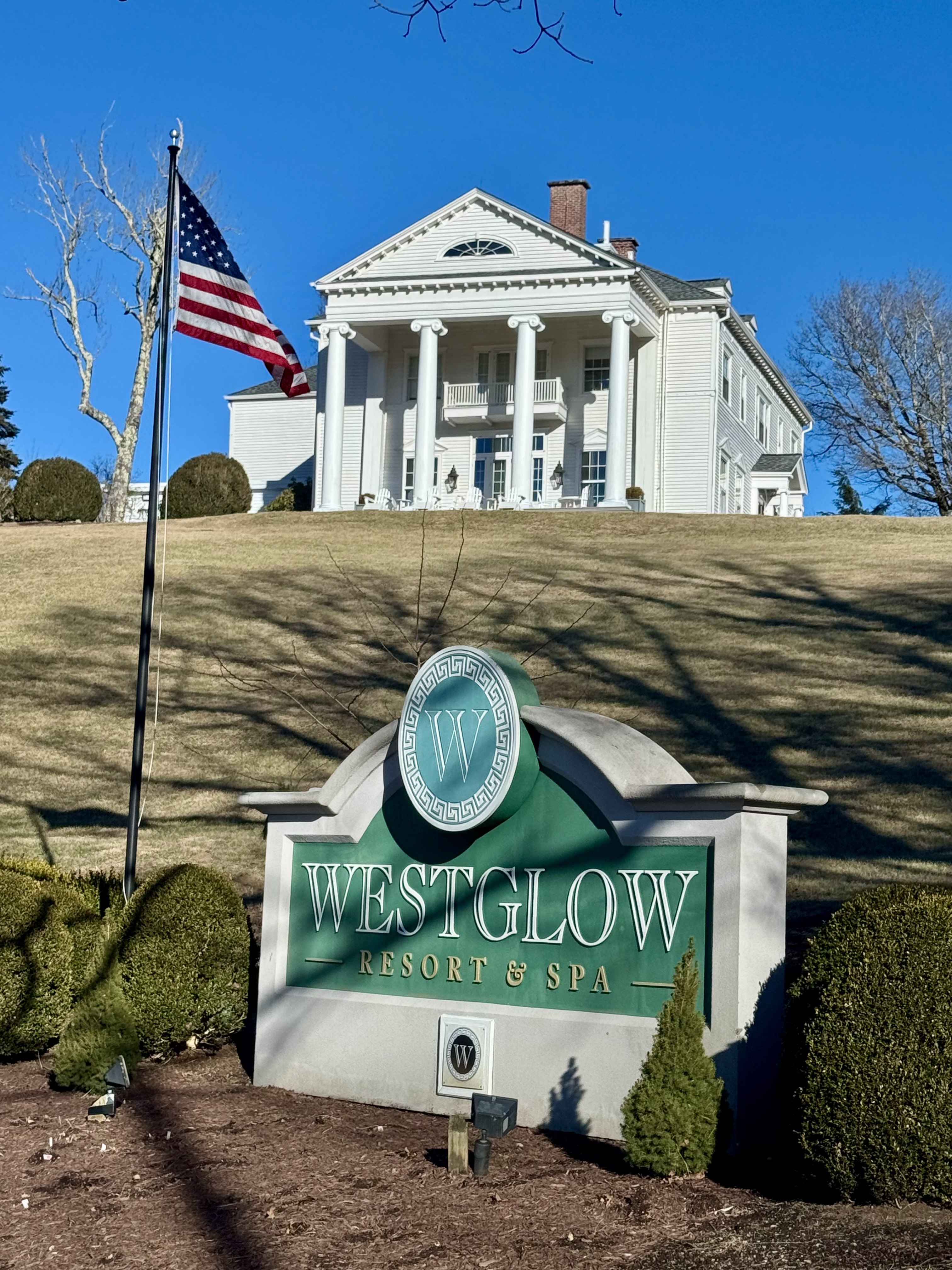
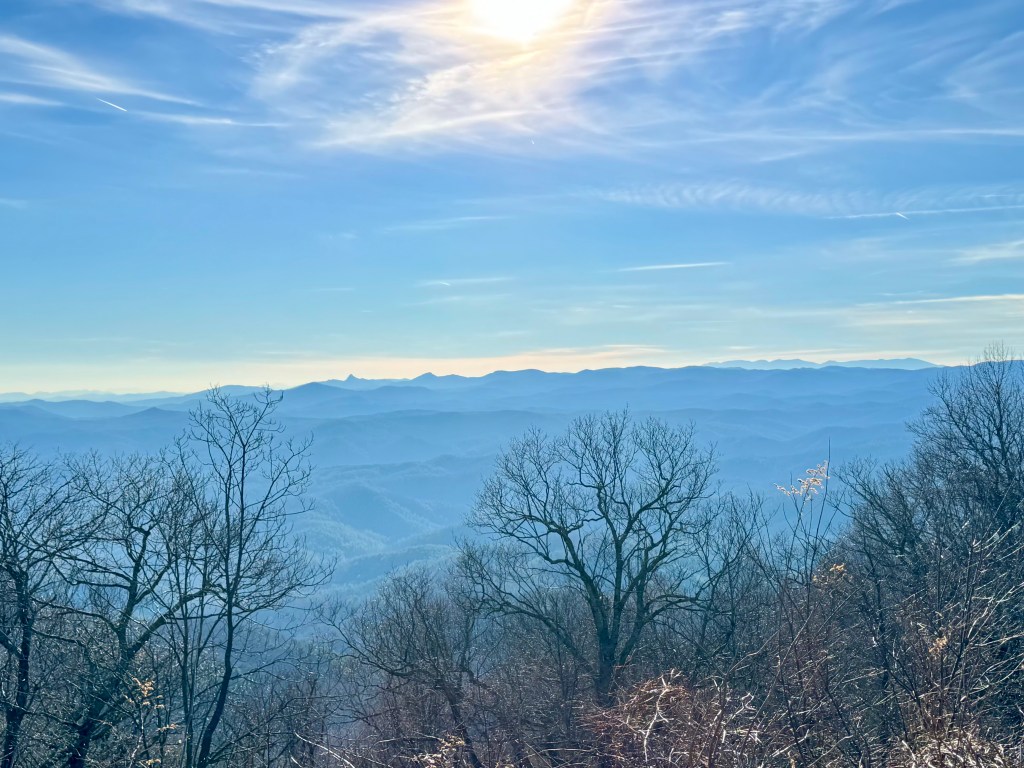
On our way out of town, we decided to stop and snap one last picture of our Blue Ridge Mountains. It was a lovely day and a nice break from the computer I’m facing at this very moment.
I hope you enjoyed this traveling recap. Thanks for joining me on the ride!




 Jill Hovis
Leave a comment